
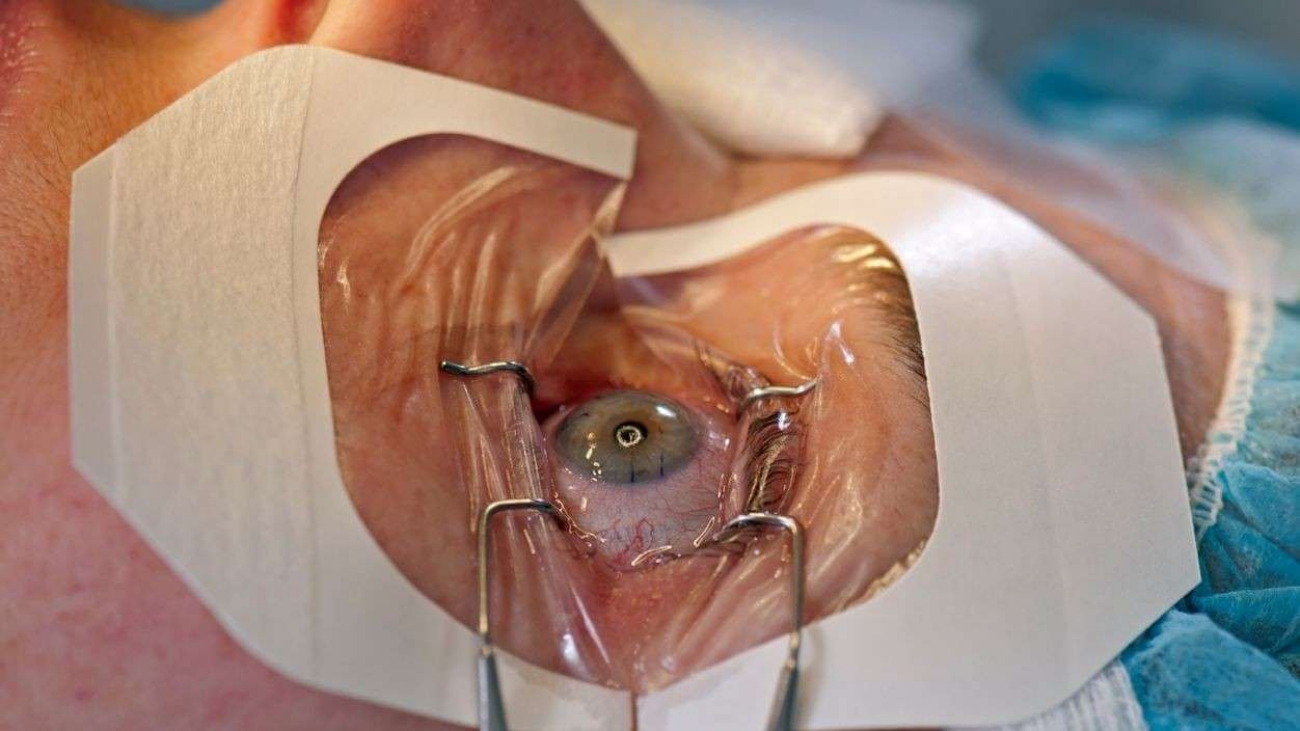
LASIK for Astigmatism: Can Modern Technology Finally Fix Blurred Vision?
For decades, a common myth persisted in waiting rooms across Australia: if you have astigmatism, you aren’t a candidate for laser eye surgery. This misconception stemmed from early-generation lasers that struggled to treat the irregular, “football-shaped” curvature of the cornea.
However, the landscape of refractive surgery has shifted. Today, LASIK for astigmatism: can modern technology finally fix blurred vision? The answer is a definitive yes. With the integration of wavefront-guided mapping and femtosecond lasers, modern LASIK doesn’t just treat nearsightedness; it reshapes the eye with microscopic precision to eliminate the distortions caused by astigmatism.
In this guide, we explore how advanced ophthalmic tech has evolved to provide Australian patients with crisp, clear vision, moving beyond the limitations of traditional glasses and contact lenses.
See more: How a Home Sleep Study Canberra Can Make Diagnosis Easier and More Accurate
Understanding Astigmatism: The “Football” Shape Challenge
To understand how LASIK works, we must first define the problem. Most people believe vision issues are just about being “short” or “long” sighted. Astigmatism is different. It is a refractive error where the cornea (the front surface of the eye) or the lens is shaped irregularly.
Symmetrical vs. Asymmetrical Curvature
- Normal Eye: Shaped like a basketball. Light enters and focuses on a single point on the retina.
- Astigmatic Eye: Shaped like an Australian Rules football or a rugby ball. Light is stretched, creating multiple focal points, which results in blurred vision at all distances.
The Impact on Daily Life
Astigmatism often manifests as “ghosting” around text, glare during night driving in cities like Sydney or Melbourne, and chronic headaches from eye strain. Because the eye is trying to focus two different images simultaneously, the brain experiences fatigue.
How Modern LASIK Corrects Astigmatism
The breakthrough in LASIK for astigmatism lies in how the laser interacts with the eye’s unique topography. We no longer use a “one size fits all” approach.
1. Pre-Operative Mapping (Topography)
Before any laser touches the eye, surgeons use a 3D mapping system. This creates a “fingerprint” of your cornea, identifying exactly where the steep and flat curves are located.
2. Creating the Flap (Femtosecond Laser)
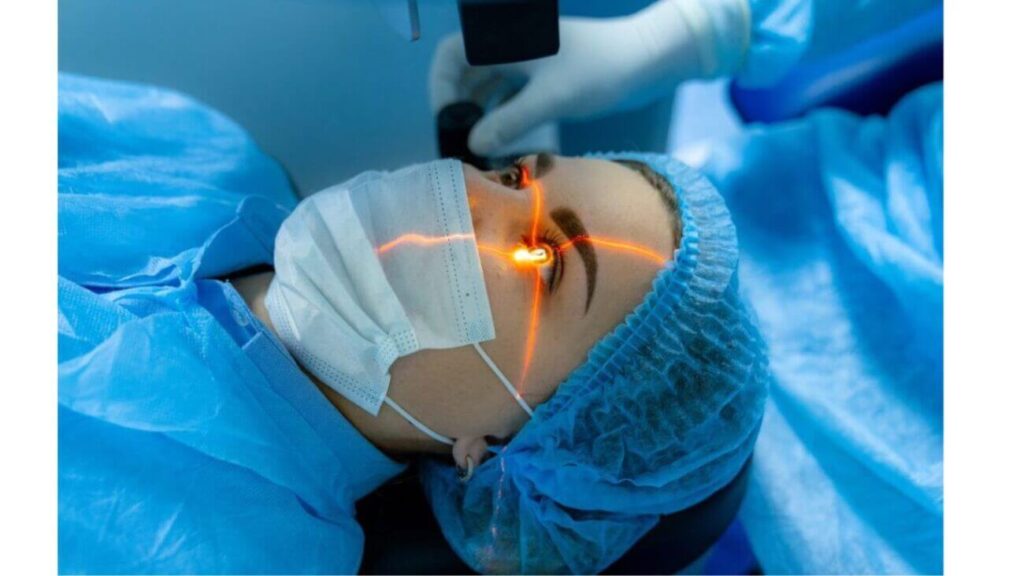
In modern “All-Laser” LASIK, a femtosecond laser creates a thin protective flap. This is significantly safer and more precise than the older mechanical blades (microkeratomes), allowing for faster healing and better outcomes for astigmatic patients.
3. Reshaping the Cornea (Excimer Laser)
The surgeon uses an excimer laser to remove microscopic amounts of tissue. For astigmatism, the laser smooths the irregular curves to make the cornea more spherical.
Expert Insight: Modern excimer lasers use “eye-tracking” technology that monitors eye movement thousands of times per second. If your eye moves slightly during the procedure, the laser adjusts instantly, ensuring the correction remains perfectly centered.
Benefits of Modern Technology for Australian Patients
Choosing to undergo LASIK in the current technological era offers several advantages over treatments from even ten years ago.
Enhanced Visual Acuity
Most patients achieve 20/20 vision or better. Because modern lasers address “higher-order aberrations” (tiny imperfections), the quality of vision is often sharper than what was possible with contact lenses.
Reduced Night Glare
Older LASIK sometimes caused “halos” around lights at night. Modern wavefront-optimized technology reduces these side effects, making night driving on the M1 or Great Ocean Road much safer.
Rapid Recovery
The precision of current lasers means less trauma to the eye. Most Australians return to work and light exercise within 24 to 48 hours.
The Step-by-Step Patient Journey
If you are considering LASIK for astigmatism in Australia, the process generally follows this framework:
| Phase | Description | Timeline |
| Consultation | Comprehensive eye exam and corneal mapping. | Week 1 |
| Preparation | Ceasing contact lens wear (to allow cornea to return to natural shape). | 1-2 Weeks Before |
| Procedure | The actual laser treatment (takes about 10–15 minutes per eye). | Day 0 |
| Immediate Recovery | Resting at home with protective eye shields. | 6–12 Hours |
| Follow-up | Post-operative check to ensure the flap is healing correctly. | 24 Hours Later |
Are You a Candidate? Criteria for Success
Not everyone is a perfect fit for LASIK. However, the “window” for candidacy has widened thanks to technology.
- Stable Prescription: Your vision should not have changed significantly in the last 12–24 months.
- Corneal Thickness: You must have enough tissue for the laser to safely reshape the eye.
- General Eye Health: Absence of severe dry eye, keratoconus, or advanced glaucoma.
- Astigmatism Limits: Most modern lasers can treat up to 6.00 diopters of astigmatism, which covers the vast majority of the population.
Common Mistakes and How to Avoid Them
1. Choosing Based Solely on Price
“Budget” laser clinics may use older technology or lack the sophisticated mapping required for complex astigmatism. Always ask if the price includes the latest wavefront-guided technology.
2. Rushing the Recovery
Even if you feel 100% the next day, avoiding dust, wind, and swimming pools for the first week is crucial. In the Australian climate, UV protection (sunglasses) is mandatory to prevent scarring during the healing phase.
3. Neglecting Post-Op Drops
Steroid and antibiotic drops are vital to prevent infection and control inflammation. Skipping these can lead to “regression,” where the astigmatism partially returns.
FAQ: LASIK for Astigmatism
Can LASIK fix high levels of astigmatism?
Yes. While older methods were limited, modern excimer lasers can successfully treat high levels of astigmatism, typically up to 6.00 diopters, provided the cornea is thick enough.
Is the procedure painful?
No. Numbing drops are applied to the eye before the procedure begins. You may feel a slight sensation of pressure for about 30 seconds, but no sharp pain.
How long do the results last?
The structural changes made to the cornea are permanent. However, LASIK cannot prevent age-related vision changes like presbyopia (the need for reading glasses), which typically occurs after age 45.
What is the cost of LASIK in Australia?
Prices vary by state and clinic technology, but typically range from $2,500 to $3,800 per eye. Many Australian clinics offer financing plans to make the procedure more accessible.
Can I get LASIK if I have thin corneas?
If your corneas are too thin for LASIK, your surgeon might recommend SMILE or PRK (ASLA). These are alternative laser procedures that are also highly effective for astigmatism.
Internal & External References
Suggested Internal Links (Anchor Text)
- Laser eye surgery costs in Australia
- SMILE vs LASIK for astigmatism
- Recovery tips after laser eye surgery
- Understanding corneal topography
Authoritative External References
- The Royal Australian and New Zealand College of Ophthalmologists (RANZCO): For clinical standards and patient safety guidelines.
- Therapeutic Goods Administration (TGA): For information on approved laser technologies used in Australian clinics.
Conclusion: A New Era of Visual Clarity
To revisit our primary question: LASIK for astigmatism: can modern technology finally fix blurred vision? The evidence from clinical outcomes and technological advancement suggests that it is more effective now than ever before. For Australians tired of the distortion and discomfort of astigmatism, modern LASIK offers a path to visual freedom that was once considered impossible.
The key to a successful outcome lies in a detailed pre-operative assessment and the use of the latest diagnostic tools. By choosing a surgeon who utilizes wavefront-guided technology, you are investing in the highest level of precision available.