What Is a Home Sleep Study and How Does It Work?
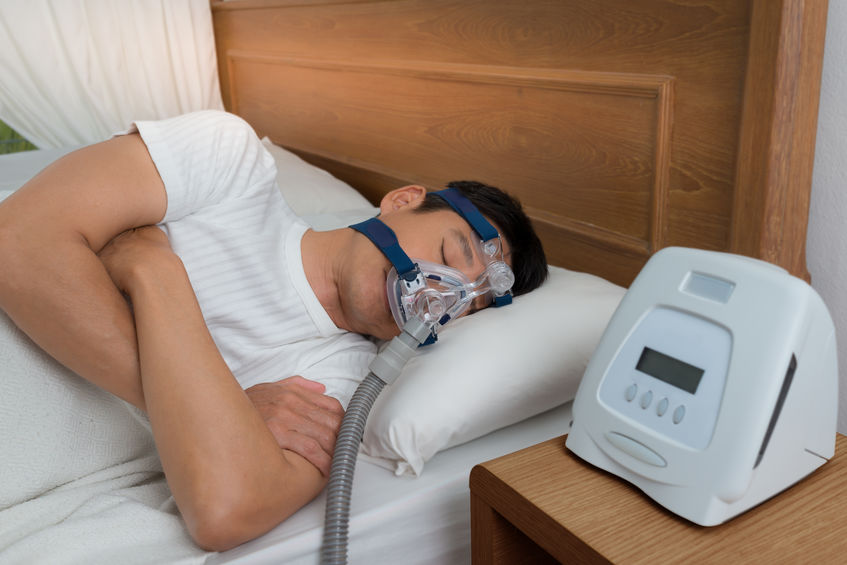
A home sleep study uses portable monitoring devices that patients wear overnight in their own beds to record essential sleep data. These compact devices eliminate the need for an overnight stay in a clinical facility, allowing individuals to undergo testing in the comfort of their familiar sleeping environment.
How Does a Home Sleep Study Work?
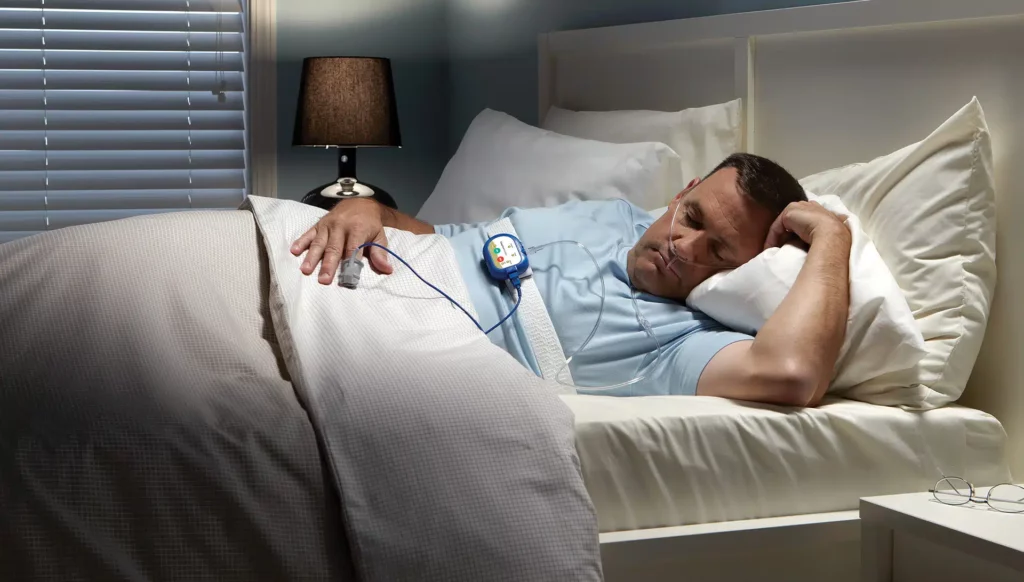
The portable sleep monitoring devices typically consist of several lightweight components designed for ease of use. For anyone preparing for a Home Sleep Study Canberra, most systems include a small recording unit about the size of a smartphone that patients wear on their wrist or place on a bedside table. Thin sensors attach to specific areas of the body using gentle adhesive strips or elastic bands. These sensors connect to the main recording unit via thin wires or wireless technology, depending on the device model.
Key Parameters Measured During Testing
The equipment tracks multiple physiological signals throughout the night to create a comprehensive picture of sleep-related breathing patterns:
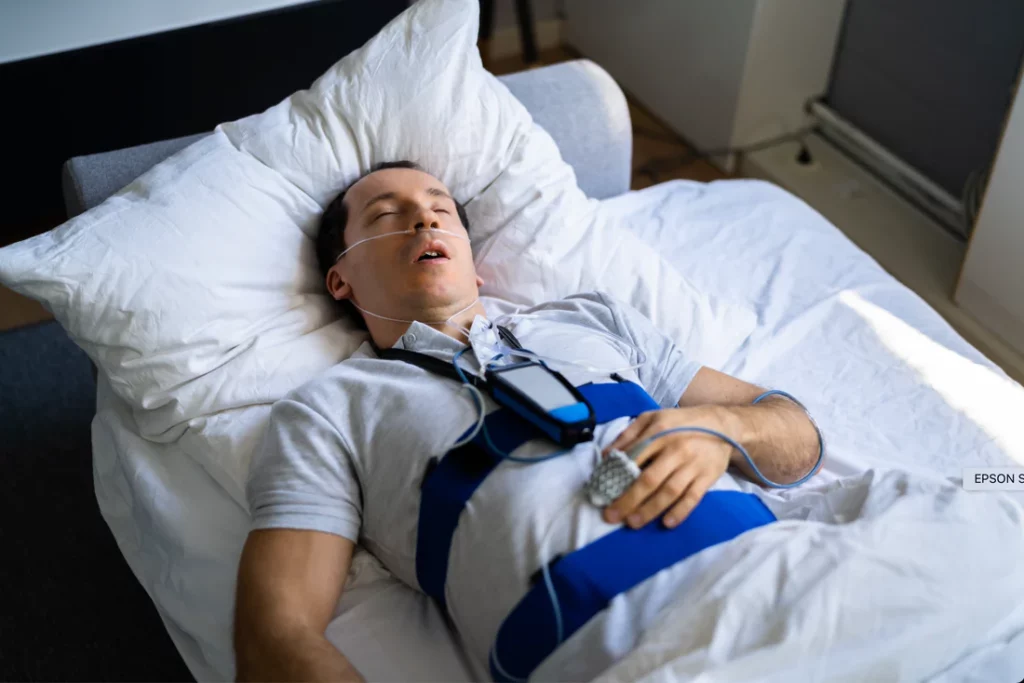
- Airflow: Nasal cannulas or thermistors detect breathing through the nose and mouth, identifying pauses or reductions in airflow
- Breathing effort: Chest and abdominal belts measure respiratory movements and the effort required to breathe
- Heart rate: Sensors monitor cardiac rhythm and detect irregularities associated with breathing disruptions
- Oxygen saturation: A pulse oximeter, typically worn on the finger, tracks blood oxygen levels throughout the night
- Snoring frequency and intensity: Acoustic sensors or vibration detectors record snoring patterns
Some advanced devices also measure body position and limb movements to provide additional context about sleep behavior. The recording unit stores all this data digitally for later analysis by sleep specialists.
Why Choose Home Sleep Study?
Testing in a natural sleep environment offers significant advantages for diagnostic accuracy. Patients sleep in their own beds, surrounded by familiar sights, sounds, and temperatures. This familiarity helps individuals fall asleep more easily and maintain their typical sleep positions throughout the night.
The home setting captures authentic sleep behavior that might differ from patterns observed in a clinical environment. Many people experience “first-night effect” in sleep labs—difficulty sleeping normally due to unfamiliar surroundings, monitoring equipment, and the awareness of being observed. Home studies bypass this phenomenon entirely.
Patients typically receive their home sleep study equipment during a brief appointment where healthcare staff demonstrate proper placement of sensors.
Why Are Home Sleep Studies Considered More Convenient and Comfortable?
Patient comfort reaches significantly higher levels when testing occurs in a familiar environment. Sleeping in your own bed eliminates the anxiety and discomfort associated with unfamiliar clinical settings, allowing your body to relax naturally. The absence of sterile hospital smells, strange noises from medical equipment, and the presence of your own pillow and mattress create conditions that mirror typical nightly rest.
Lab-based sleep studies require patients to arrive at a facility in the evening, sleep in a designated room with monitoring equipment, and stay overnight under observation. This process introduces multiple stressors that can alter sleep quality. Many patients report difficulty falling asleep in lab environments, which can skew diagnostic results. The convenience of home testing Canberra removes these barriers entirely, enabling patients to maintain their regular evening routines without travel or accommodation concerns.
Testing in Your Own Bed Versus a Clinical Lab
The difference between sleeping at home and in a lab extends beyond simple preference. Clinical sleep labs, while equipped with advanced monitoring technology, cannot replicate the psychological comfort of home. Patients often experience “first-night effect,” a phenomenon where sleep architecture changes due to the novelty of the testing environment. This can lead to:
- Longer time to fall asleep
- Reduced total sleep duration
- Altered sleep stage distribution
- Increased nighttime awakenings
Home sleep studies bypass these complications. Your bedroom temperature, lighting conditions, bedding preferences, and sleeping position remain unchanged. This consistency produces data that accurately reflects your typical sleep patterns rather than an artificial snapshot influenced by environmental stress.
Minimal Disruption to Daily Routines
Familiar environment testing preserves the natural rhythm of your evening and morning activities. You can follow your usual bedtime routine—whether that includes reading, watching television, or spending time with family. There’s no need to pack overnight bags, arrange transportation, or take time off work the following day.
The equipment arrives at your home, you receive clear instructions for setup, and you proceed with your normal schedule. This approach proves particularly valuable for:
- Parents who need to remain available for children during the night
- Shift workers who sleep during unconventional hours
- Individuals with pets that typically sleep in the bedroom
- People who require specific sleeping arrangements
How Do Home Sleep Studies Improve Diagnostic Accuracy for OSA?
Home sleep studies achieve high diagnostic accuracy for moderate to severe obstructive sleep apnoea by capturing physiological data in the environment where symptoms naturally occur. Research shows these portable devices correctly identify 80-90% of moderate to severe OSA cases, making them a reliable diagnostic tool for patients presenting with classic symptoms like loud snoring, breathing pauses, and excessive daytime fatigue.
The strength of moderate to severe OSA detection lies in the clear, measurable patterns these conditions produce. When someone experiences frequent breathing interruptions—typically 15 or more events per hour for moderate OSA and 30 or more for severe cases—the portable monitoring equipment captures these episodes through multiple data streams. Oxygen desaturation events, changes in airflow, and breathing effort all create distinct signatures that specialists can identify with confidence.
Realistic data collection happens because patients sleep in their usual environment, maintaining their typical bedtime routines, sleeping positions, and bedroom conditions. A person who normally sleeps on their side in their own bed will do exactly that during a home study, whereas the unfamiliarity of a sleep lab might cause them to sleep differently. This authenticity matters because OSA severity can vary depending on sleep position, room temperature, and stress levels.
Natural Sleeping Conditions Reduce Diagnostic Errors
The familiar home environment minimizes the “first-night effect”—a phenomenon where patients sleep poorly in unfamiliar settings, potentially masking or exaggerating symptoms. When someone tosses and turns in a lab due to anxiety or discomfort, they may spend less time in deeper sleep stages where OSA episodes typically occur most frequently. This can lead to false negatives, where the test fails to detect existing apnoea.
Home testing reduces false positives as well. Lab environments with their monitoring equipment, staff presence, and clinical atmosphere can increase stress hormones that affect breathing patterns. Some patients may experience more shallow breathing or restlessness purely from anxiety, creating data that doesn’t reflect their typical sleep behavior. Testing at home eliminates these artificial stressors.
The consistency of home sleep data often provides a more accurate baseline for treatment decisions. When a patient returns for follow-up testing after starting CPAP therapy or other interventions, comparing home study results to previous home
What Are the Cost and Accessibility Advantages of Home Sleep Studies in Canberra?
Home sleep studies typically cost 30-50% less than overnight laboratory polysomnography, making them a cost-effective diagnosis option for patients and healthcare systems alike. Traditional lab-based studies require specialized facilities, overnight technician monitoring, and expensive equipment maintenance, all of which drive up costs. Home testing eliminates these overhead expenses while delivering clinically reliable results for obstructive sleep apnoea detection.
Financial Savings Beyond the Testing Fee
The financial accessibility extends beyond the initial testing fee. Patients avoid additional expenses associated with lab studies, including:
- Travel costs to and from sleep clinics
- Overnight accommodation if the facility is far from home
- Time off work for evening appointments and recovery
- Childcare arrangements for overnight absences
These cumulative savings make sleep apnoea diagnosis feasible for individuals who might otherwise delay or avoid testing due to budget constraints.
Accessibility for Remote and Regional Residents
Canberra’s surrounding regions include rural and semi-rural communities where residents face significant barriers to specialized medical services. Home sleep studies bridge this gap by bringing diagnostic tools directly to patients’ homes, regardless of their location. A portable monitoring device can be couriered to properties in Queanbeyan, Yass, Goulburn, or other regional areas, eliminating the need for lengthy drives to metropolitan sleep clinics.
This accessibility remote areas Canberra approach particularly benefits elderly patients, those with chronic health conditions affecting mobility, and individuals without reliable transportation. The convenience of receiving equipment at home, using it overnight, and returning it via courier transforms what would be a logistically complex process into a straightforward experience.
Reduced Wait Times Accelerate Diagnosis
Sleep clinics in Canberra often maintain waiting lists spanning several weeks or months for in-lab polysomnography appointments. The limited number of sleep lab beds and high demand for services create bottlenecks that delay diagnosis and treatment. Home sleep studies dramatically reduce these wait times, with many patients receiving their testing equipment within days of their initial consultation.
Reduced wait times carry significant health implications. Untreated obstructive sleep apnoea contributes to:
- Increased cardiovascular disease risk
- Daytime fatigue affecting work performance and safety
- Cognitive impairment and memory problems
When Are Home Sleep Studies Most Suitable and When Might They Fall Short?
Home sleep studies work best for patients displaying obvious obstructive sleep apnoea symptoms such as loud snoring, excessive daytime sleepiness, witnessed breathing pauses, or frequent nighttime awakenings. These individuals typically have moderate to severe OSA, making them ideal candidates for portable monitoring devices that can accurately capture their breathing disruptions in a home environment. You may like to visit https://www.healthdirect.gov.au/obstructive-sleep-apnoea to get more about sleep apnoea symptoms and treatment.
The suitability criteria home study assessments favor patients without significant comorbidities that might complicate diagnosis. People with straightforward OSA presentations—those who snore heavily, gasp for air during sleep, wake with dry mouth or headaches, and struggle with daytime fatigue—receive the most reliable results from home testing. The devices excel at detecting the repetitive breathing interruptions characteristic of obstructive sleep apnoea when symptoms are pronounced.
Who Benefits Most from Home Testing?
Patients meeting these criteria typically achieve accurate diagnoses through home studies:
- Adults with high clinical suspicion of moderate to severe OSA
- Individuals without complex medical conditions affecting sleep
- Those experiencing classic symptoms like chronic loud snoring combined with daytime drowsiness
- Patients who cannot easily access lab facilities due to location or mobility constraints
- People whose work schedules make overnight lab stays impractical
Where Do Limitations Home Sleep Tests Become Apparent?
Home sleep studies struggle with mild OSA cases where breathing disruptions occur less frequently. The portable devices may miss subtle patterns that lab-based polysomnography would capture through comprehensive brain wave monitoring and continuous observation by trained technologists. Patients with mild symptoms might receive false negative results, delaying proper diagnosis and treatment.
The technology cannot diagnose central sleep apnoea, a condition where the brain fails to send proper breathing signals. Unlike obstructive sleep apnoea, which involves physical airway blockage, central apnoea requires detailed brain activity monitoring unavailable in home devices. Patients with heart failure, stroke history, or neurological conditions need lab-based testing to identify these complex patterns.
Home studies also fall short when diagnosing:
- Periodic limb movement disorder requiring leg muscle monitoring
- REM sleep behavior disorder needing detailed sleep stage analysis
- Narcolepsy demanding comprehensive brain
How Do Non-Invasive Devices Used in Home Studies Enhance Patient Experience?
Non-invasive monitoring equipment transforms sleep testing by eliminating the intimidating wires and complex setups associated with traditional lab studies. The devices used in home sleep studies consist of lightweight, compact sensors that attach gently to the body, creating an experience far removed from the clinical atmosphere of hospital-based testing.
What Equipment Do Patients Actually Wear?
The typical home sleep study setup includes three main components that work together seamlessly:
- A small nasal cannula or airflow sensor sits just below the nostrils to measure breathing patterns and detect apnea events. This thin tube weighs only a few grams and most patients forget they’re wearing it within minutes of lying down.
- Chest and abdominal belts wrap around the torso to monitor breathing effort and movement. These elastic bands adjust to different body sizes and allow full range of motion during sleep. Unlike restrictive medical equipment, they stretch and move with the body, accommodating side sleepers, back sleepers, and those who shift positions throughout the night.
- A pulse oximeter clips onto a fingertip or wraps around the wrist to track oxygen saturation levels and heart rate. Modern versions use soft silicone materials that maintain contact without creating pressure points or restricting blood flow. Some advanced models eliminate the finger clip entirely, using wrist-based sensors that feel similar to wearing a fitness tracker.
How Does Minimal Setup Preserve Natural Sleep?
Sensor placement comfort directly impacts the quality of data collected during home studies. When patients feel restricted or aware of monitoring equipment, they tend to sleep more lightly or adopt unnatural positions. The simplified design of home study devices addresses this challenge by reducing physical awareness of the testing process.
The absence of scalp electrodes represents a significant advantage over laboratory polysomnography. Lab studies require multiple adhesive sensors attached to the head, face, and legs—a process that takes 30-45 minutes and leaves patients feeling wired up like a science experiment. Home studies eliminate this discomfort entirely, focusing only on respiratory and cardiac measurements essential for OSA diagnosis.
Patients can move freely without worrying about disconnecting wires or damaging expensive equipment. This freedom proves especially valuable for restless sleepers who naturally change positions multiple times per night.
See Also : Breaking Down Canberra Sleep Study Cost and What Influences the Final Price
How Does Increased Access to Home Sleep Studies Impact Patient Outcomes in Canberra?
Greater availability of home sleep testing directly accelerates the identification and treatment of obstructive sleep apnoea across Canberra. When diagnostic tools become more accessible, patients who might otherwise delay or avoid testing due to inconvenience can receive timely evaluations. This shift from reactive to proactive healthcare means individuals experiencing symptoms like chronic snoring, daytime fatigue, or morning headaches can pursue diagnosis without waiting weeks for laboratory appointments or arranging overnight stays at unfamiliar facilities.
Early diagnosis benefits extend beyond simply confirming a condition. Untreated OSA contributes to serious cardiovascular complications, including hypertension, stroke, and heart disease. The condition also impairs cognitive function, increases accident risk due to excessive daytime sleepiness, and diminishes quality of life through disrupted sleep patterns. When patients access home sleep studies quickly, treatment can begin before these complications develop or worsen. Starting continuous positive airway pressure (CPAP) therapy or other interventions earlier in the disease progression often leads to better treatment adherence and more significant health improvements.
The removal of traditional barriers transforms patient behavior around sleep health. Cost represents a significant obstacle for many Canberra residents, particularly those without comprehensive private health insurance or facing out-of-pocket expenses for laboratory polysomnography. Home sleep studies typically cost substantially less than overnight lab testing, making diagnosis financially feasible for a broader demographic. This economic accessibility means patients no longer need to choose between addressing their sleep concerns and managing household budgets.
Convenience barriers affect different population segments in distinct ways:
- Shift workers struggle to schedule overnight lab appointments during their irregular sleep schedules.
- Parents with young children find leaving home overnight challenging.
- Individuals with mobility limitations or disabilities may face physical difficulties traveling to and navigating sleep laboratories.
- Elderly patients living independently often prefer remaining in their own homes rather than spending nights in clinical environments.
Home sleep studies eliminate these obstacles, allowing diverse patient groups to participate in diagnostic testing without compromising their daily responsibilities or comfort.
Improved patient outcomes Canberra residents experience stem from this expanded diagnostic reach. When testing becomes accessible, healthcare providers can identify OSA in populations previously underdiagnosed. Regional and suburban areas surrounding Canberra particularly benefit, as patients no longer need to travel significant distances for assessment
Conclusion
How do home sleep studies transform the diagnostic landscape for sleep disorders?
Home sleep studies represent a significant advancement in making sleep disorder diagnosis both easier and more accurate for Canberra residents. By combining the convenience of at-home testing with reliable data collection capabilities, these portable monitoring solutions remove traditional barriers that previously prevented many people from seeking diagnosis. The benefits home sleep study Canberra offers extend beyond simple convenience—they fundamentally reshape how patients engage with their sleep health.
What makes this approach particularly effective for OSA diagnosis?
The strength of home sleep testing lies in its dual capacity to deliver accurate OSA diagnosis benefits while maintaining patient comfort. Testing occurs in familiar surroundings where natural sleep patterns emerge without the artificial constraints of laboratory environments. This authenticity produces data that closely reflects real-world sleep behavior, leading to diagnoses grounded in genuine physiological responses rather than potentially skewed lab-based observations.
How do home sleep studies complement existing diagnostic methods?
Rather than replacing traditional polysomnography, home sleep studies serve as an effective complementary tool within a comprehensive diagnostic framework. They excel at identifying moderate to severe obstructive sleep apnoea cases—the most common presentations requiring immediate intervention. When results prove inconclusive or symptoms suggest complex conditions, patients can seamlessly transition to lab-based studies for deeper investigation. This tiered approach ensures appropriate resource allocation while maximizing diagnostic efficiency.
What does the future hold for sleep health in Canberra?
The growing availability of home sleep studies signals a promising shift toward proactive sleep health management across the Canberra region. As awareness increases and technology continues advancing, these accessible diagnostic tools will likely identify sleep disorders earlier in their progression. Early detection translates directly into timely treatment, preventing the cascade of health complications associated with untreated sleep apnoea—including cardiovascular disease, diabetes, and cognitive impairment.
Why should Canberra residents consider this diagnostic option?
How a Home Sleep Study Canberra Can Make Diagnosis Easier and More Accurate becomes clear when examining the complete picture: reduced costs, shorter waiting periods, comfortable testing environments, and reliable results for typical OSA cases. These factors collectively empower more residents to take decisive action regarding their sleep health. The path to better sleep no longer requires navigating complex logistics or