
What Are CPAP Machines and Why Do They Need a Prescription?
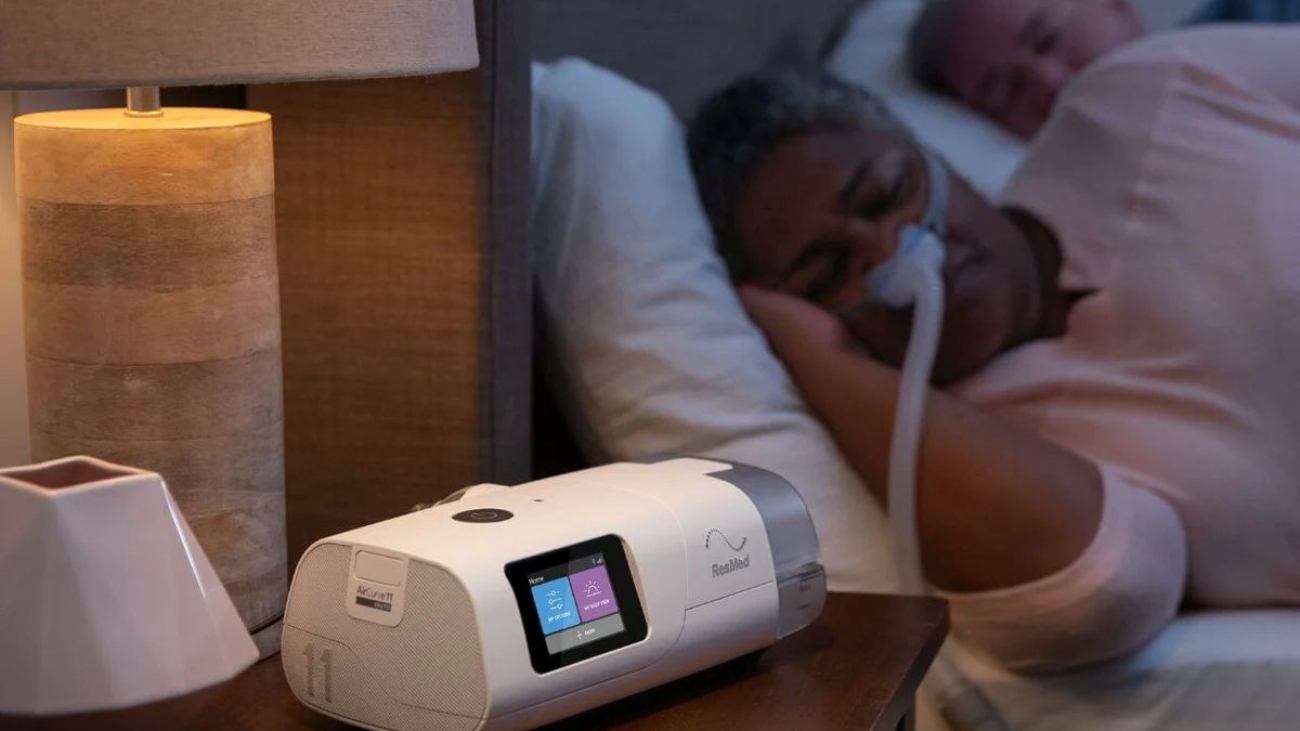
CPAP machines deliver continuous positive airway pressure to keep your airways open during sleep, preventing the breathing interruptions that characterise sleep apnoea. A cpap machine Australia patients use works by gently pushing air through a mask worn during sleep, creating sufficient pressure to stop throat muscles from collapsing.
A valid prescription from your doctor isn’t just a formality—it’s a medical necessity. Your prescription contains critical information about your specific treatment requirements, including the exact air pressure settings your body needs. Sleep apnoea diagnosis varies significantly between individuals, and using incorrect pressure settings can render treatment ineffective or uncomfortable enough to abandon therapy altogether.
The prescription process begins with a sleep study, either conducted in a clinic or at home using portable monitoring equipment. This study measures how often your breathing stops or becomes shallow during sleep, determining the severity of your condition. Your doctor uses these results to calculate the precise pressure range your CPAP machine must deliver.
Attempting to purchase a CPAP machine Australia without proper medical documentation puts your health at risk. You may select a device with inadequate pressure capabilities, choose settings that fail to address your specific apnoea events, or overlook underlying conditions that require alternative treatment approaches. Reputable suppliers will always request your prescription before completing a sale to ensure the equipment is correctly calibrated to your medical needs.
The prescription also supports insurance claims, helping you recover eligible costs. It creates a documented link between your sleep apnoea diagnosis and treatment, which is valuable when adjusting therapy or upgrading equipment in the future.
How Do Different CPAP Models and Features Affect Treatment?
CPAP machine models vary significantly in their capabilities, and selecting the right one directly impacts treatment effectiveness and comfort. The three primary types include standard CPAP machines that deliver constant air pressure, Auto-CPAP (APAP) devices that automatically adjust pressure throughout the night based on breathing patterns, and BiPAP machines that provide different pressures for inhalation and exhalation.
Choosing a CPAP device features requires understanding which specifications align with your sleep apnoea severity and personal preferences. Standard CPAP machines suit individuals with consistent pressure needs, whilst Auto-CPAP models benefit those whose breathing patterns fluctuate during sleep or who sleep in different positions throughout the night.
Pressure Settings Matter for Treatment Success
Pressure delivery mechanisms distinguish one device from another. Fixed-pressure CPAP machines maintain the prescribed pressure level continuously, which works well for straightforward obstructive sleep apnoea cases. Auto-adjusting devices monitor your breathing in real time and modify pressure between a prescribed range, responding to events like position changes or temporary airway narrowing. This adaptability often improves comfort for people who find constant pressure uncomfortable.
Humidity Control Prevents Discomfort
Integrated or add-on humidifiers address one of the most common CPAP complaints: dry mouth and nasal passages. Heated humidification adds moisture to the pressurised air before it reaches your airways, reducing irritation that causes many users to abandon therapy. Some advanced models include climate control that adjusts humidity based on room temperature and your breathing patterns, preventing condensation in the tubing whilst maintaining optimal moisture levels.
Noise Levels Affect Sleep Quality
Decibel ratings range from whisper-quiet 26dB models to older machines producing 30dB or more. A difference of just a few decibels significantly impacts whether the device disturbs your sleep or that of a bed partner. Modern CPAP machine models incorporate sound-dampening technology and improved motor designs, making them considerably quieter than earlier generations.
Data Tracking Capabilities Support Treatment Monitoring
Built-in data recording features track usage hours, leak rates, apnoea-hypopnoea index (AHI), and pressure levels. This information proves invaluable.
What Should Be Considered When Selecting a CPAP Mask?
The mask you choose directly impacts whether you’ll stick with CPAP therapy long-term. A poorly fitting mask can cause air leaks, skin irritation, and discomfort that disrupts sleep—defeating the entire purpose of treatment.
1. Understand the Different Types of CPAP Masks
CPAP mask types fall into three main categories, each designed for different facial structures and breathing patterns:
- Nasal masks cover the nose from the bridge to the upper lip, creating a seal around the entire nasal area. These work well for people who breathe through their nose during sleep and need moderate to high pressure settings.
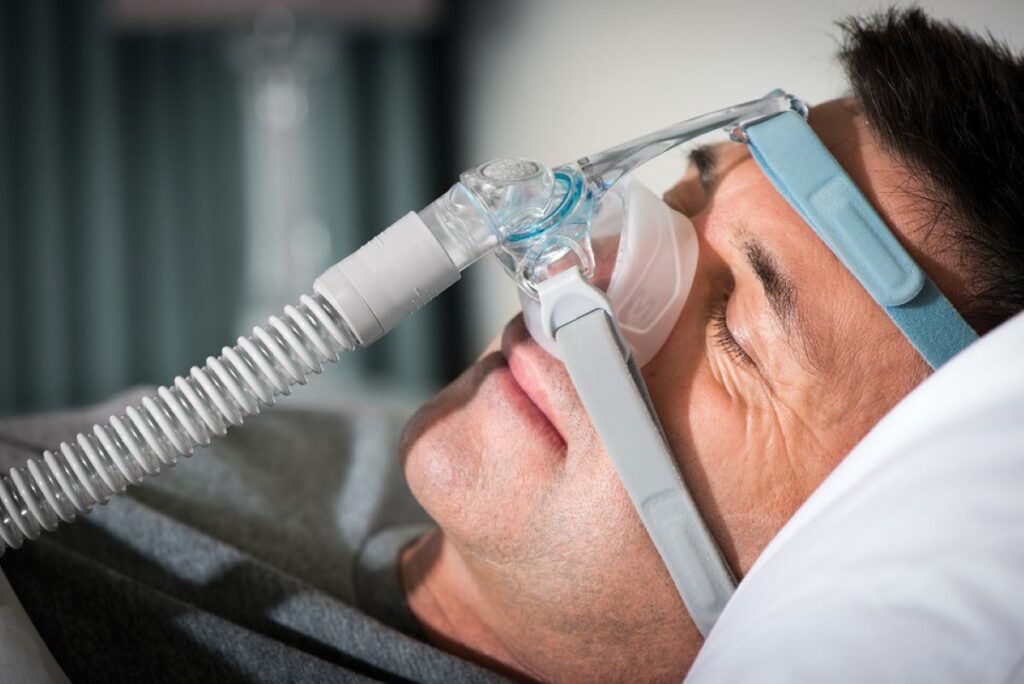
- Nasal pillows insert directly into the nostrils with soft silicone cushions. They’re the most lightweight option, ideal for active sleepers, people with facial hair, or those who feel claustrophobic with larger masks.
- Full face masks cover both the nose and mouth, extending from the bridge of the nose to below the lips. These suit mouth breathers or people with nasal congestion who need an alternative airway during sleep.
2. Prioritise Comfort in Your Mask Choice
Mask comfort depends on several critical factors beyond just the style:
- The cushion material should feel soft against your skin without causing pressure points or leaving red marks.
- Headgear straps need enough adjustability to secure the mask without overtightening, which can create discomfort and air leaks.
3. Consider Your Sleeping Position
Your sleeping position plays a significant role in mask selection:
- Side sleepers often prefer nasal pillows or low-profile nasal masks that don’t press into the pillow.
- Back sleepers typically have more flexibility with full face masks.
- Stomach sleepers face the biggest challenge and usually need minimal-contact options like nasal pillows.
4. Take Facial Features into Account
Facial features matter considerably:
- A narrow nose bridge might require extra cushioning or a different seal design.
- Facial hair can prevent proper sealing with full face or nasal masks, making nasal pillows the better choice.
- People who wear glasses should consider how the mask frame interacts with their eyewear during evening reading or television watching.
5. Address Air Leaks Promptly
Air leaks signal an improper fit and reduce treatment effectiveness. Common leak points include:
- The bridge of the nose
- Around the mouth corners
- Along the cheeks
Testing different sizes within the same mask style often resolves these issues—most manufacturers offer small
Why Is Professional Support Important in Using a CPAP Machine?
Professional support transforms CPAP therapy from a simple device purchase into an effective, personalised treatment plan. Healthcare professionals, particularly respiratory therapists, possess the expertise to optimise your therapy through precise adjustments and continuous monitoring that self-management alone cannot achieve.
What Role Do Respiratory Therapists Play in Initial Setup?
Respiratory therapist support begins with comprehensive mask fitting sessions that go beyond basic sizing. These specialists assess your facial structure, sleep position preferences, and breathing patterns to identify the most suitable mask style and size. They check for air leaks, pressure points, and seal integrity whilst you’re wearing the mask, making micro-adjustments that significantly impact comfort and treatment effectiveness.
The initial CPAP adjustment involves calibrating pressure settings based on your prescription and individual response. Therapists monitor your breathing patterns during setup, ensuring the device delivers appropriate pressure throughout your respiratory cycle. They also configure humidity levels to prevent dryness and irritation, accounting for factors like room temperature and personal sensitivity.
How Does Ongoing Professional Monitoring Improve Outcomes?
Regular follow-up appointments allow healthcare professionals to review data downloaded from your CPAP machine. This information reveals:
- Apnoea-hypopnoea index (AHI) tracking treatment effectiveness
- Mask leak rates indicating fit problems
- Usage hours showing adherence patterns
- Pressure fluctuations suggesting needed adjustments
Therapists interpret these metrics to identify issues before they compromise treatment. A Simple Checklist Before You Buy CPAP Machines should include verifying access to this ongoing support, as it directly correlates with long-term therapy success.
What Problems Can Professionals Identify and Resolve?
Healthcare experts recognise subtle signs of suboptimal therapy that users might dismiss. Persistent morning headaches could indicate pressure settings require adjustment. Dry mouth might signal mouth breathing that necessitates switching from nasal to full-face masks. Skin irritation patterns guide mask repositioning or alternative cushion materials.
Professional CPAP adjustment extends to troubleshooting technical issues. Therapists diagnose whether problems stem from equipment malfunction, incorrect settings, or user technique. They provide hands-on training for device maintenance, filter replacement, and cleaning protocols that preserve machine longevity.
How Do a Trial Period and Warranty Provide Peace of Mind?
Understanding the Role of a CPAP Trial Period
A CPAP trial period allows you to test whether a specific machine works for your individual needs before making a full financial commitment. Most reputable suppliers offer home trial periods ranging from 7 to 30 days, giving you the opportunity to assess comfort, noise levels, and how well you adapt to the therapy in your own sleeping environment.
During this trial window, you can identify potential issues that might not be apparent in a clinical setting. You’ll discover whether the machine’s noise level disrupts your sleep, if the mask creates pressure points after extended wear, or if the humidity settings need adjustment for your comfort. These real-world insights prove invaluable since sleep apnoea treatment requires nightly use for years.
What Should You Look for in a CPAP Trial Period?
The length of the trial period matters significantly. A 30-day trial provides more comprehensive feedback than a week-long test, as your body needs time to adjust to CPAP therapy. Some people adapt within days, whilst others require several weeks to become comfortable with the sensation of pressurised air.
Key aspects to evaluate during your trial include:
- Sleep quality improvement – Are you waking more refreshed?
- Mask comfort – Does it leak or cause skin irritation?
- Machine noise – Can you sleep through the operational sound?
- Ease of use – Are the controls intuitive for daily operation?
- Portability – Does the size suit your lifestyle needs?
Return policies vary between suppliers. Some offer full refunds if you’re unsatisfied, whilst others may charge restocking fees. Always clarify these terms before purchasing to avoid unexpected costs if the device doesn’t meet your expectations.
The Importance of Warranty Coverage for CPAP Machines
Warranty on CPAP machines protects your investment against manufacturing defects and component failures. Standard warranties typically cover the main device for 2-3 years, though individual components like masks, tubing, and filters have shorter coverage periods since they’re considered consumable items requiring regular replacement.
Comprehensive warranty coverage should include:
- Main unit repairs – Protection against motor or circuit failures
- Replacement parts – Coverage for defective components
- Technical support – Assistance with setup or troubleshooting issues
Before finalising your purchase, review the warranty terms associated with each CPAP machine model. This knowledge will empower you to make an informed decision while ensuring long-term satisfaction with your chosen device.
What Financial Considerations Should Be Made Before Purchasing?
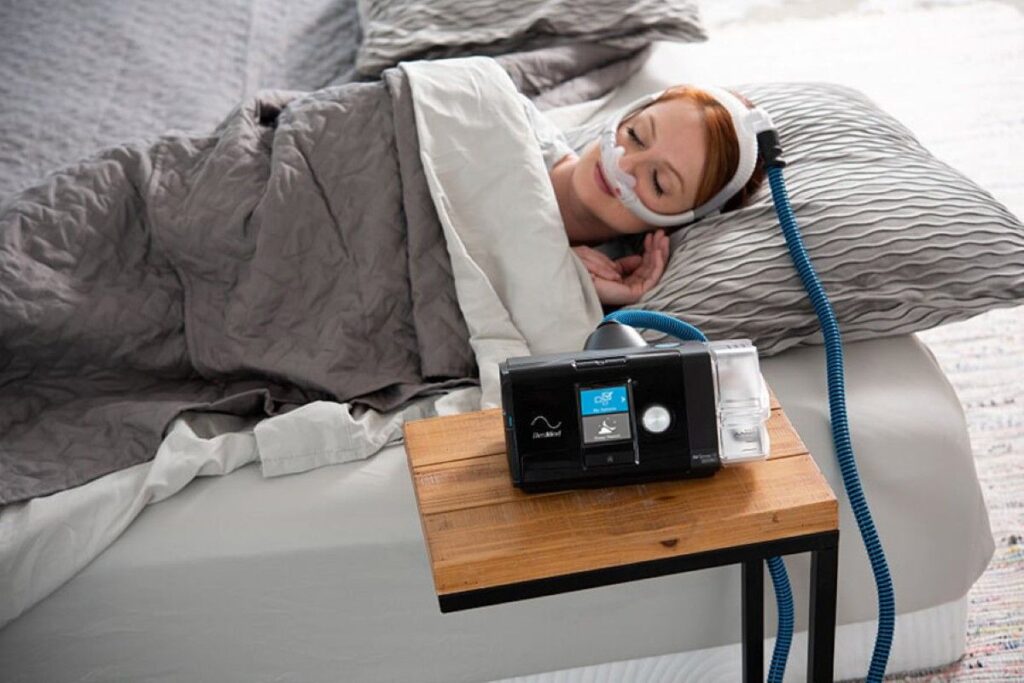
CPAP machine costs vary significantly depending on the model, features, and supplier, typically ranging from £300 to £1,500 or more. Understanding the full financial picture helps you make an informed decision that fits your budget whilst ensuring you receive quality treatment equipment.
Breaking Down the Initial Investment
The upfront cost includes more than just the machine itself. You’ll need to budget for:
- The CPAP device: Basic models start around £300, whilst advanced machines with data tracking and auto-adjusting pressure can exceed £1,000
- Mask and accessories: Initial mask purchase typically costs £50-£150, depending on style and brand
- Replacement parts: Filters, tubing, and cushions require regular replacement
- Humidifier chambers: If not included with the machine, these add £30-£80 to your initial purchase
Calculating Long-Term Ownership Costs
Beyond the initial purchase, ongoing expenses accumulate over time. Replacement supplies represent a recurring cost that many first-time buyers overlook. Filters need changing every 1-3 months, masks every 6-12 months, and tubing annually. These maintenance items can total £200-£400 per year, making the long-term investment substantially higher than the purchase price alone.
Exploring Financing Options
Many suppliers offer financing options to spread the CPAP machine cost over several months or years. Payment plans typically include:
- Interest-free instalments over 6-12 months
- Extended payment schemes with low interest rates
- Rental-to-own programmes that allow you to test the equipment before full commitment
- Credit options through medical equipment financing companies
Some healthcare providers partner with equipment suppliers to offer preferential financing terms for patients with diagnosed sleep apnoea.
Insurance Coverage and Reimbursement
Check whether your private health insurance covers CPAP equipment. Many policies provide partial or full reimbursement for medically necessary devices prescribed by a doctor. NHS patients may receive equipment through their sleep clinic, though options might be limited compared to private purchases. Contact your insurer before buying to understand:
- Coverage percentages for durable medical equipment
- Pre-authorisation requirements
- Preferred supplier networks
Why Should Second-Hand CPAP Machines Be Avoided Without Guidance?
Purchasing a used CPAP machine without professional supervision exposes you to significant health and functionality risks. Second-hand devices may harbour bacteria, mould, or viruses from the previous owner, creating serious hygiene concerns that can worsen respiratory conditions rather than improve them.
Hygiene Risks in Used CPAP Equipment
The internal components of CPAP machines accumulate moisture and biological material over time. Even if the exterior appears clean, the tubing, humidifier chamber, and internal mechanisms can contain:
- Bacterial colonies that thrive in warm, moist environments
- Mould spores that develop in water chambers and tubing
- Viral particles that remain viable on surfaces for extended periods
- Allergens and dust mites embedded in filters and cushions
These contaminants transfer directly into your airways during therapy, potentially causing respiratory infections, allergic reactions, or exacerbating existing conditions like asthma.
Device Functionality and Calibration Concerns
Second-hand CPAP machines often suffer from performance degradation that isn’t immediately visible. The pressure delivery system may no longer provide accurate readings, meaning you could receive insufficient or excessive air pressure throughout the night. Motors wear down after thousands of hours of operation, reducing their ability to maintain consistent pressure levels.
Previous owners may have modified settings or damaged internal components, compromising the device’s therapeutic effectiveness.
Unknown Service History and Recall Status
Without access to the complete maintenance records, you cannot verify whether the machine received proper servicing or replacement parts. Manufacturers occasionally issue recalls for specific models due to safety concerns, and a second-hand device may fall under these warnings without your knowledge.
When Second-Hand Devices Become Viable Options
Professional guidance transforms second-hand CPAP risks into manageable considerations. A qualified respiratory therapist can:
- Inspect the device for mechanical integrity and proper function
- Replace all consumable parts (tubing, filters, water chambers, masks)
- Verify the machine’s pressure accuracy against clinical standards
- Check manufacturer databases for recall notices
- Ensure the device matches your prescribed therapy requirements
The Hidden Costs of Unguided Purchases
What appears as a cost-effective solution can lead to unforeseen expenses when purchasing a used CPAP machine without expert advice. Here are some potential hidden costs:
- Medical Expenses: If contaminated equipment leads to respiratory infections or allergic reactions, you may incur medical bills for treatments or hospital visits.
- Device Replacement: Performance issues with the second-hand CPAP may necessitate an early replacement with a new device, negating any initial savings.
- Therapy Disruption: Inconsistent pressure delivery due to malfunctioning components can disrupt your sleep therapy progress and result in daytime fatigue.
By seeking professional guidance before acquiring a second-hand CPAP machine, you can mitigate these risks and ensure a safer, more effective treatment experience.
See Also : Is a Portable Oxygen Machine Right for Your Lifestyle?
How Can Lifestyle Changes Impact Ongoing Treatment Needs?
Lifestyle changes sleep apnoea therapy requires regular adjustments because your body’s needs evolve over time. Weight loss of just 10% can significantly reduce the air pressure your CPAP machine needs to deliver, whilst weight gain may require increased pressure settings to maintain effective treatment.
Your prescribed pressure settings aren’t permanent. When you lose weight, the fatty tissues around your airway decrease, meaning less pressure is needed to keep your airway open during sleep. Conversely, gaining weight can narrow your airway, necessitating higher pressure levels to prevent apnoea events.
Treatment monitoring through regular check-ups ensures your CPAP therapy remains effective as your circumstances change. Sleep specialists can analyse data from your machine to determine whether adjustments are needed based on:
- Changes in body weight (increases or decreases)
- Residual apnoea events recorded by your device
- Alterations in sleep position habits
- New medications that may affect breathing
- Seasonal allergies impacting nasal passages
- Changes in alcohol consumption patterns
Age-related changes also affect treatment requirements. As you get older, muscle tone in your throat naturally decreases, potentially requiring different pressure settings or even a switch to a different therapy mode like BiPAP.
Starting an exercise programme can improve sleep apnoea symptoms independently of weight loss. Regular physical activity strengthens respiratory muscles and improves overall cardiovascular health, which may allow for lower pressure settings over time.
Pregnancy presents unique considerations for women using CPAP therapy. Hormonal changes and weight gain during pregnancy often require pressure adjustments, with further modifications needed post-delivery as your body returns to its pre-pregnancy state.
Professional evaluation every 6-12 months helps identify when settings need modification. Your sleep specialist can review compliance data, residual apnoea-hypopnoea index (AHI) scores, and mask leak rates to optimise your therapy. Waiting until you experience symptoms before seeking adjustments can mean weeks or months of suboptimal treatment.
Conclusion
A simple checklist before you buy CPAP machines starts with your healthcare provider. Your doctor provides the prescription that determines your specific pressure requirements and treatment approach, making their guidance the foundation of any purchasing decision.
The right equipment selection depends on matching machine features to your lifestyle and medical needs. Pressure settings, humidity control, noise levels, and mask compatibility all influence treatment success. Your buying checklist for CPAP machines should prioritise devices that accommodate your sleep position, breathing patterns, and comfort preferences.
Professional support transforms CPAP therapy from a purchase into a treatment partnership. Respiratory therapists and sleep specialists:
- Ensure proper mask fitting and seal
- Adjust pressure and humidity settings based on your response
- Monitor treatment data to identify issues early
- Modify therapy as your needs change
Testing equipment through trial periods protects your investment. Home trials reveal whether a machine suits your real-world sleeping environment, whilst warranty coverage provides security against device malfunctions.
Budget planning extends beyond the initial purchase price. Financing options, insurance coverage, and long-term maintenance costs all factor into affordability. Understanding refund policies before committing prevents financial strain if the equipment doesn’t meet your needs.
Regular follow-up appointments keep your therapy effective as circumstances change. Weight fluctuations, medication adjustments, or new health conditions may require pressure recalibration or equipment updates. This ongoing evaluation ensures your CPAP machine continues delivering optimal results throughout your treatment journey.
FAQs (Frequently Asked Questions)
What are CPAP machines and why is a prescription necessary?
CPAP machines are medical devices used to treat sleep apnea by providing continuous positive airway pressure to keep airways open during sleep. Obtaining a valid prescription from a doctor is essential to ensure proper diagnosis, appropriate pressure settings, and safe use tailored to individual needs.
How do different CPAP models and features affect treatment effectiveness?
Various CPAP machine models offer different features such as adjustable pressure settings, humidity control, and noise levels. Choosing the right model with suitable features can enhance comfort, improve adherence to therapy, and optimise treatment outcomes for sleep apnea patients.
What factors should be considered when selecting a CPAP mask?
Selecting the correct CPAP mask involves considering mask types—nasal masks, nasal pillows, or full-face masks—and ensuring a proper fit for comfort and effectiveness. A well-fitted mask minimises air leaks and enhances therapy compliance.
Why is professional support important when using a CPAP machine?
Healthcare professionals like respiratory therapists play a vital role in fitting masks correctly, adjusting air pressure and humidity settings, and providing ongoing monitoring. Their support ensures optimal device performance and maximises treatment success.
How do trial periods and warranties provide peace of mind when purchasing CPAP machines?
Trial periods allow users to test the CPAP device at home before committing to purchase, ensuring suitability and comfort. Warranties offer protection against repairs or replacements, providing financial security and confidence in the product’s reliability.
What financial considerations should be made before buying a CPAP machine?
Prospective buyers should evaluate upfront costs versus long-term benefits of CPAP therapy. Exploring financing options can help manage expenses effectively while investing in essential equipment for treating sleep apnea.