

What Are the Different Types of Sleep Studies Available in Canberra?
Canberra residents seeking sleep disorder diagnosis have two primary testing options: in-lab sleep studies and home sleep studies. In-lab studies require an overnight stay at a medical facility where technicians monitor multiple physiological parameters through sensors and equipment. Home sleep studies allow patients to conduct testing in their own bedrooms using portable monitoring devices.
In-Lab Sleep Study Characteristics
An in-lab sleep study, technically known as polysomnography, takes place in a specialized sleep clinic equipped with advanced monitoring technology. For those researching Canberra Sleep Study Cost, it helps to understand what this comprehensive test includes. Patients arrive in the evening and sleep in a private room resembling a hotel suite. Trained technicians attach various sensors to measure:
- Brain wave activity (EEG)
- Eye movements
- Muscle tone
- Heart rate and rhythm
- Blood oxygen levels
- Breathing patterns
- Body position during sleep
The comprehensive nature of in-lab testing makes it the gold standard for diagnosing complex sleep disorders. While evaluating Canberra Sleep Study Cost, it’s important to note that technicians observe patients throughout the night and can intervene if equipment issues arise or medical concerns develop. This real-time monitoring provides detailed data that physicians use to identify conditions like sleep apnea, narcolepsy, periodic limb movement disorder, and REM behavior disorder.
Home Sleep Study Canberra Options
Home-based testing offers a more convenient alternative for patients suspected of having obstructive sleep apnea. These studies use portable devices that patients wear while sleeping in their familiar environment. The equipment typically monitors fewer parameters than in-lab studies, focusing on:
- Airflow through nasal passages
- Breathing effort
- Blood oxygen saturation
- Heart rate
- Body position
Patients receive instructions on how to apply the monitoring equipment before bedtime and return the device the next day for data analysis. This approach eliminates the need for overnight facility stays and often costs less than comprehensive in-lab testing.
Services at Sleep Solutions Canberra
Sleep Solutions Canberra provides both in-lab and home sleep study options to accommodate different patient needs and preferences. The clinic emphasizes accessibility through bulk-billed services for eligible patients, reducing financial barriers to diagnosis. Their team guides patients through the entire process, from initial consultation through treatment planning.
The clinic’s dual approach allows physicians to recommend the most appropriate testing
How Do Consultation Fees Impact the Total Cost of a Sleep Study in Canberra?
Consultation fees form a significant portion of your total sleep study expenses, often adding several hundred dollars before the actual diagnostic testing begins. At ACT Lung and Sleep, an initial consultation costs approximately $342 privately, with Medicare rebates of around $148.35 available for eligible patients, bringing your out-of-pocket expense to roughly $193.65.
Understanding Initial Consultation Costs
The initial consultation cost serves as your entry point into the diagnostic process. During this appointment, a sleep specialist reviews your medical history, discusses symptoms like snoring or daytime fatigue, and determines whether a sleep study is necessary. This comprehensive assessment justifies the higher price point compared to follow-up visits.
Private patients at Canberra clinics typically pay upfront for these services. The consultation fees Canberra clinics charge reflect the specialist’s expertise and the time invested in creating a personalized diagnostic plan. Sleep specialists spend considerable time analyzing your sleep patterns, reviewing questionnaires, and explaining potential conditions like obstructive sleep apnea.
Breaking Down Follow-Up Consultation Expenses
Follow-up consultation price points are notably lower than initial visits. These appointments focus on reviewing sleep study results, discussing treatment options, and monitoring progress with therapies like CPAP machines. The reduced cost reflects the shorter appointment duration and more focused nature of these sessions.
Patients often require multiple follow-up consultations throughout their treatment journey:
- Results interpretation and treatment recommendations
- CPAP titration adjustments
- Progress monitoring at 3-month and 6-month intervals
- Long-term management check-ins
The Diagnostic Value Behind Consultation Pricing
Consultations aren’t merely administrative appointments—they’re critical diagnostic tools. Sleep specialists use these sessions to identify whether you need an in-lab polysomnography or if a home sleep study suffices. This decision directly impacts your total costs, as in-lab studies typically carry higher price tags.
The specialist’s expertise during consultations can prevent unnecessary testing. By thoroughly evaluating your symptoms and risk factors, they ensure you receive the most appropriate and cost-effective diagnostic pathway. This targeted approach saves money compared to blanket testing protocols.
It’s important to note that while the consultation fees are significant, they play a crucial role in shaping your overall treatment journey towards better sleep health.
What Role Does Medicare Play in Reducing Sleep Study Costs in Canberra?
Medicare significantly reduces the financial burden of sleep studies through rebates that can cover a substantial portion of the total cost. Patients with a valid Medicare card and appropriate referrals from their GP or specialist can access these rebates for both diagnostic tests and consultations.
Who Qualifies for Medicare Rebates on Sleep Studies?
Medicare eligibility sleep tests require patients to meet specific criteria before claiming rebates. You need:
- A current Medicare card with active coverage
- A valid referral from a general practitioner or specialist physician
- Medical documentation supporting the need for sleep investigation
- Treatment at a Medicare-approved facility or by an accredited provider
The referral must clearly indicate the clinical reason for requesting a sleep study. Conditions like suspected obstructive sleep apnea, chronic snoring with daytime symptoms, or other sleep disorders typically qualify for Medicare rebate sleep study coverage.
How Much Can Medicare Rebates Save You?
The financial relief from Medicare rebates varies depending on the service type. At ACT Lung and Sleep, a Type 2 Home Diagnostic Sleep Study costs $595 privately, but the Medicare rebate sleep study amount reaches approximately $324.70 for eligible patients. This reduces the out-of-pocket expense to around $270.30.
Initial consultations demonstrate similar savings patterns. The private fee of $342 includes a Medicare rebate of roughly $148.35, leaving patients to pay approximately $193.65 from their own pocket. Follow-up consultations attract smaller fees and proportionally smaller rebates, though they still provide meaningful cost reduction.
Patients typically pay the full amount upfront at Canberra sleep clinics. You can then claim your rebate through two methods:
- Medicare’s online claiming system through your myGov account
- In-person claims at Medicare service centers with your receipt
Processing times vary, but online claims generally process faster than manual submissions.
Does Bulk Billing Availability Differ Between Canberra Clinics?
Bulk billing Canberra options for sleep studies depend heavily on which clinic you choose. Sleep Solutions Canberra offers bulk-billed options for eligible patients, meaning the clinic
How Does the Type of Sleep Study Influence Pricing in Canberra?
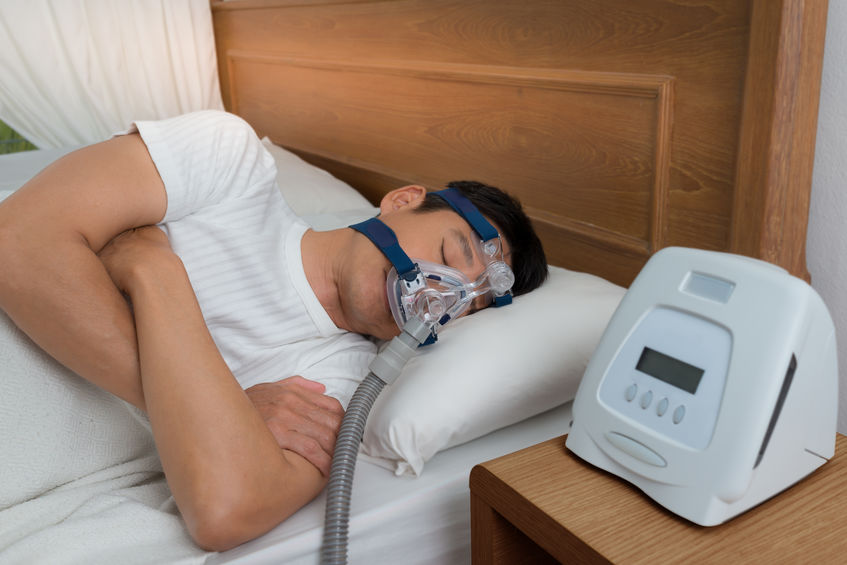
The choice between in-lab and home-based sleep studies creates significant price variations in Canberra. A Type 2 Home Diagnostic Sleep Study at ACT Lung and Sleep costs $595 privately, while in-lab studies typically command higher fees due to the comprehensive monitoring equipment and overnight facility costs involved. The home diagnostic sleep study cost represents a more accessible entry point for patients seeking diagnosis without the premium associated with hospital-based testing.
Understanding the Price Gap Between Study Types
In-lab polysomnography involves sophisticated equipment, dedicated sleep technicians monitoring throughout the night, and facility overhead costs that drive prices upward. These studies capture extensive data including brain waves, eye movements, muscle activity, and multiple physiological parameters simultaneously. Home-based studies use portable monitoring devices that track fewer parameters but still provide clinically valuable information for diagnosing conditions like obstructive sleep apnea.
The in-lab study price comparison reveals that patients can expect to pay several hundred dollars more for facility-based testing compared to home alternatives. This pricing reflects the different levels of monitoring complexity and the clinical resources required for each approach.
What Makes Home Studies More Affordable?
Home diagnostic sleep studies reduce costs through several mechanisms:
- No facility overhead – Patients sleep in their own beds, eliminating accommodation expenses
- Simplified equipment – Portable devices cost less to maintain than full polysomnography systems
- Reduced staffing needs – No overnight technician monitoring required
- Streamlined logistics – Device collection and return processes minimize administrative costs
These studies work well for patients with suspected moderate to severe obstructive sleep apnea and no significant comorbidities. The devices measure oxygen levels, breathing patterns, heart rate, and body position—sufficient data for many diagnostic scenarios.
When Does In-Lab Testing Justify Higher Costs?
Certain clinical situations warrant the additional expense of in-lab studies. Patients with complex medical histories, suspected central sleep apnea, periodic limb movement disorders, or narcolepsy require the comprehensive monitoring only available in supervised settings. The detailed data collection justifies the premium pricing when diagnostic clarity demands it. Read more about Respiratory and Sleep Medicine.
Are There Additional Fees That Patients Should Expect When Undergoing a Sleep Study in Canberra?
Yes, Canberra sleep clinics enforce cancellation and attendance policies that can add $100 to your total cost. These additional costs sleep study patients face are designed to protect clinic resources and ensure fair access to appointments for all patients requiring diagnostic services.
Understanding Late Cancellation Policies
A cancellation fee Canberra clinic charges typically applies when patients cancel appointments with insufficient notice. At ACT Lung and Sleep, cancellations made less than two working days before a scheduled appointment trigger a $100 late cancellation fee. This policy reflects the clinic’s need to manage appointment slots efficiently, as late cancellations prevent other patients from accessing those time slots.
The two-working-day threshold means patients must cancel by the end of business on the day that falls two working days before their appointment. For example, a Thursday appointment requires cancellation by end of business on Tuesday. Weekend days don’t count as working days, so a Monday appointment needs cancellation by the previous Thursday.
What Happens When Patients Miss Appointments
Missed appointment charges carry the same financial penalty as late cancellations. Clinics impose a $100 “Did Not Attend” fee when patients fail to show up for scheduled appointments without providing any notice. This fee addresses the significant disruption caused by no-shows, which waste valuable diagnostic resources and staff time that could have been allocated to other patients.
The financial impact extends beyond the immediate fee. Patients who miss appointments may need to reschedule, potentially delaying their diagnosis and treatment. Some clinics may require payment of the missed appointment fee before booking a new appointment, creating an additional barrier to receiving care.
Why Clinics Enforce These Policies
Sleep study appointments require substantial preparation and resource allocation. In-lab studies involve dedicated rooms, specialized equipment, and trained technicians scheduled specifically for each patient. Home sleep studies require equipment preparation, delivery coordination, and staff time for device setup instructions.
When appointments are canceled late or missed entirely, clinics face several challenges:
- Lost revenue from empty appointment slots that cannot be filled on short notice
- Wasted staff resources prepared specifically for the canceled appointment
- Equipment sitting idle that could have been used for other patients
In case you’re facing any mental health issues due to these stressors or need support in dealing with such situations, it’s important to seek help from professionals. You can explore various medical counselling services available in Canberra which can provide you with the necessary support during such challenging times. Click here to get how a home sleep study Canberra can make diagnosis easier and more accurate.
How Can Patients Effectively Manage and Plan for Their Sleep Study Expenses in Canberra?
Planning for sleep study costs requires understanding the upfront payment structure and available rebate options. Most Canberra sleep clinics require patients to pay the full fee at the time of service, then claim Medicare rebates afterward. This means having sufficient funds available initially, even though you’ll receive partial reimbursement later.
Navigating Medicare Rebates and Payment Methods
Claiming Medicare rebates can happen through two primary channels. The first option involves submitting your receipt directly to Medicare through their online system via myGov, which typically processes claims within a few business days. The second method requires taking your receipt to a Medicare service center where staff can process your claim immediately.
The online claiming process offers convenience for those comfortable with digital platforms:
- Log into your myGov account linked to Medicare
- Upload your itemized receipt from the sleep clinic
- Verify the service details match your appointment
- Receive rebate payments directly to your nominated bank account
For those preferring face-to-face assistance, visiting a Medicare service center allows you to:
- Submit physical receipts for immediate processing
- Ask questions about eligibility or rebate amounts
- Resolve any discrepancies on the spot
- Receive guidance on future claims

Exploring Bulk Billing Opportunities
Managing medical expenses Canberra becomes significantly easier when bulk billing is available. Sleep Solutions Canberra offers bulk-billed options for eligible patients, eliminating upfront costs entirely. The clinic bills Medicare directly, meaning you pay nothing out-of-pocket for covered services.
Eligibility for bulk billing typically depends on:
- Holding a valid Medicare card
- Having an appropriate referral from your GP or specialist
- Meeting specific clinical criteria set by the clinic
- Availability of bulk billing appointments at the time of booking
Patients should inquire about bulk billing eligibility during their initial contact with clinics. Some facilities may offer bulk billing for certain services but not others, so clarifying which components of your sleep study qualify helps avoid unexpected expenses.
Budgeting for the Complete Cost Picture
Breaking Down Canberra Sleep Study Cost and What Influences the Final Price means accounting for all potential expenses before your appointment