
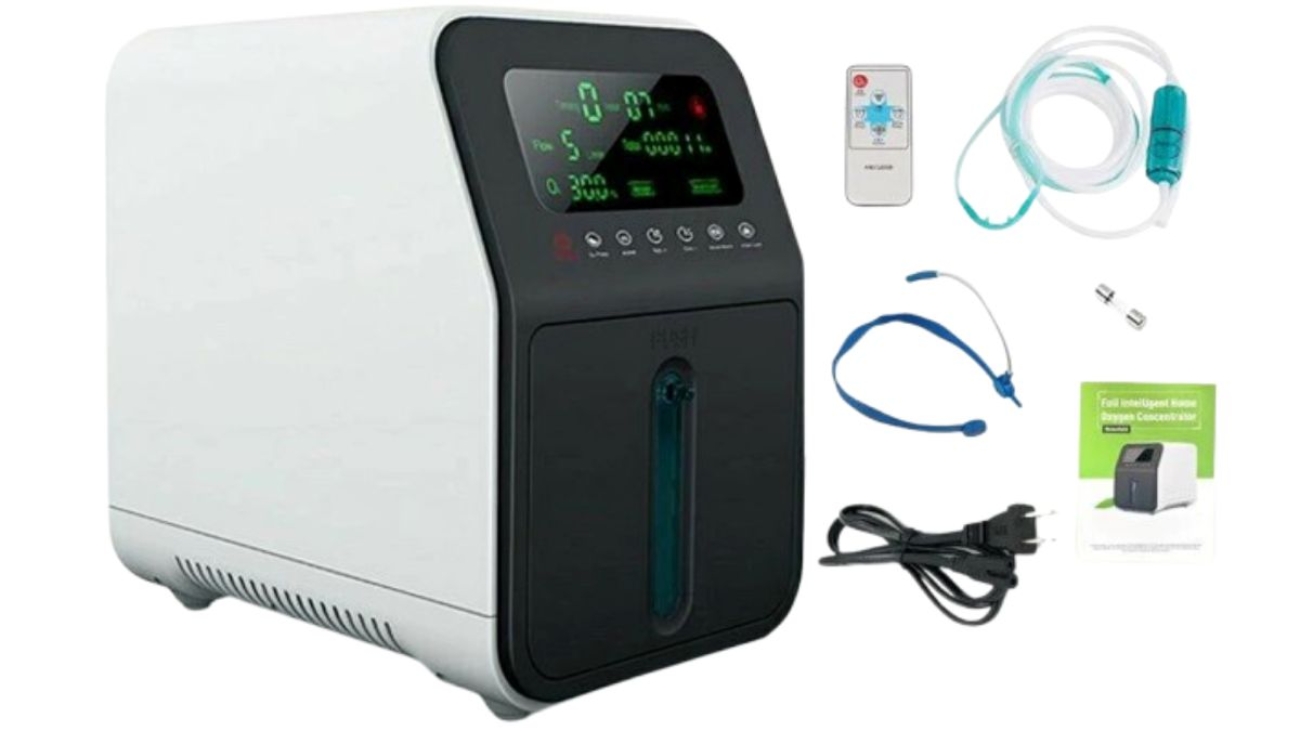
Can Portable Oxygen Machines Improve Your Quality of Life?
Yes, portable oxygen machines can significantly enhance your quality of life if you have respiratory conditions. These devices offer freedom and independence that traditional oxygen tanks simply cannot match, transforming how you manage your daily activities and health needs.
This article explores whether a portable oxygen machine is right for your lifestyle. You’ll discover how these devices work, what benefits they offer, and what limitations you should consider before making a decision. We’ll examine practical ways to assess if a portable oxygen concentrator fits your daily routine and share strategies to maximise its benefits.
Portable oxygen machines help individuals with conditions like COPD, pulmonary hypertension, and other respiratory ailments maintain active, fulfilling lives. Rather than being tethered to bulky oxygen tanks at home, you gain the ability to travel, socialise, and engage in physical activities with confidence.
The key advantages include:
- Enhanced mobility for shopping, visiting friends, or attending events
- Reduced anxiety about oxygen supply when away from home
- Improved physical stamina for daily tasks and exercise
- Greater independence in managing your respiratory health
- Freedom to travel, including air travel with CAA-approved models
The question isn’t just whether these devices work—it’s whether they align with your specific medical requirements, lifestyle preferences, and daily activities. Understanding both the benefits and limitations helps you make an informed choice about embracing portable oxygen independence.
How Do Portable Oxygen Machines Work?
Portable oxygen machines extract oxygen directly from ambient air through a sophisticated filtration and concentration process. These devices pull in room air, which naturally contains approximately 21% oxygen, then separate and concentrate it to deliver medical-grade oxygen at 90-95% purity to the user.
How Portable Oxygen Machines Work
The working mechanism of portable oxygen machines relies on pressure swing adsorption (PSA) technology. Here’s how it works:
- Air intake: Air enters the device through an intake filter that removes dust, particles, and contaminants.
- Compression: The filtered air then passes through a compressor that pressurises it before directing it into sieve beds containing zeolite crystals.
- Nitrogen absorption: Zeolite crystals act as molecular sieves that preferentially absorb nitrogen molecules whilst allowing oxygen molecules to pass through.
- Sieve bed cycling: The device alternates between two sieve beds—whilst one bed captures nitrogen under pressure, the other releases the trapped nitrogen back into the atmosphere.
- Oxygen concentration: This continuous cycling creates a steady supply of concentrated oxygen.
- Purification: The concentrated oxygen travels through additional filters to ensure purity before reaching the delivery system.
Oxygen Delivery Methods
Depending on the model, the device provides oxygen through either:
- Continuous flow: Delivers a constant stream of oxygen regardless of breathing patterns
- Pulse dose: Releases oxygen bursts synchronised with inhalation, detected through breath sensors
Customised Oxygen Delivery
Modern portable oxygen machines incorporate sophisticated sensors that monitor breathing patterns, adjusting oxygen delivery timing and volume to match individual needs. The device’s control panel allows users to adjust flow settings prescribed by their healthcare provider, typically measured in litres per minute (LPM) or pulse dose settings.
Power Source and Cooling Mechanism
Battery-powered motors drive the compressor and electronic components, enabling operation without connection to wall outlets. Internal cooling systems prevent overheating during extended use, whilst alarm systems alert users to issues such as low battery, reduced oxygen purity, or system malfunctions.
What Are the Benefits of Using a Portable Oxygen Machine?
Portable oxygen machines offer life-changing benefits that go beyond just providing extra oxygen. Users often find that they can move around more easily, do physical activities better, and live their lives more independently.
Freedom of Movement and Travel
The lightweight design of portable oxygen machines—many weighing under 5 pounds—eliminates the restrictions associated with traditional oxygen tanks. Individuals can navigate airports, attend social gatherings, and explore outdoor spaces without the burden of heavy equipment. FAA-approved models permit air travel, opening opportunities for holidays and family visits that might otherwise seem impossible.
Increased Energy and Physical Activity
Supplemental oxygen directly addresses fatigue by ensuring tissues receive adequate oxygen for cellular function. Users often report:
- Reduced breathlessness during routine tasks like climbing stairs or walking
- Greater stamina for exercise and recreational activities
- Improved ability to complete household chores without exhaustion
- Enhanced capacity for social engagement and hobbies
This boost in physical capability creates a positive cycle where increased activity further strengthens cardiovascular health.
Better Sleep Quality
Nighttime oxygen therapy prevents the drops in blood oxygen levels that disrupt sleep patterns. Continuous or pulse-dose delivery throughout the night reduces episodes of breathlessness, restless waking, and morning headaches. Users wake feeling more refreshed, with improved cognitive function and mood throughout the day.
Symptom Management
Regular use of portable oxygen machines significantly reduces respiratory symptoms that diminish quality of life. The benefits include:
- Decreased chest pain and tightness
- Less frequent coughing and wheezing episodes
- Reduced anxiety related to breathlessness
- Lower risk of complications requiring hospitalisation
Mental and Emotional Well-being
The psychological impact of regaining independence cannot be understated. Users experience reduced anxiety about venturing outside their homes, knowing their oxygen supply travels with them. This confidence supports mental health, combats isolation, and encourages participation in community activities that contribute to emotional resilience.
Cardiovascular Protection
Adequate oxygenation reduces strain on the heart, which must work harder when blood oxygen levels drop. Consistent oxygen therapy helps prevent complications like pulmonary hypertension and right-sided heart failure, protecting long-term cardiovascular health whilst managing existing respiratory conditions.
Are There Any Limitations to Consider When Choosing a Portable Oxygen Machine?
Portable oxygen machines come with specific constraints that can significantly impact their suitability for your needs. Understanding these limitations before making a purchase decision helps ensure the device aligns with your medical requirements and daily routines.
Flow Rate Restrictions
Not all portable oxygen machines deliver the same oxygen output. Many portable concentrators provide pulse dose delivery, which releases oxygen only when you inhale, whilst others offer continuous flow. Patients requiring high-flow oxygen therapy—typically above 3 litres per minute—may find portable units insufficient for their medical needs. Your prescribed oxygen flow rate determines which models are viable options, making it essential to verify specifications match your doctor’s recommendations. You may like to visit https://www.schn.health.nsw.gov.au/home-oxygen-therapy-factsheet to get more about home Oxygen therapy.
Battery Life Constraints
Battery duration varies considerably across different models, typically ranging from 3 to 10 hours on a single charge. Extended outings, long flights, or full-day activities often require carrying multiple spare batteries, adding weight and bulk to your travel setup. The actual battery performance depends on your flow setting—higher oxygen demands drain batteries faster. Planning trips around charging opportunities becomes necessary, potentially limiting spontaneous activities.
Maintenance Requirements
Regular upkeep keeps your device functioning properly but demands consistent attention. Filters need cleaning or replacement every few weeks, and the unit requires periodic inspections to ensure optimal performance. Neglecting maintenance schedules can reduce oxygen output quality or cause device malfunctions. Users must commit to these routines or arrange for assistance if physical limitations make maintenance challenging.
Noise Levels
Operating sounds vary between models, with some units producing noticeable humming or clicking during oxygen generation. Noise levels ranging from 40 to 50 decibels can disrupt quiet environments, affect sleep quality, or draw unwanted attention in public spaces. Sensitive users or those prioritising discretion should test devices beforehand to assess whether the sound level suits their comfort threshold.
Power Dependency
Portable oxygen machines rely entirely on electrical power sources for battery charging. Power outages, travel to remote locations, or extended periods without access to electricity pose challenges. Backup power solutions such as car chargers, additional battery packs, or portable generators become necessary investments. This dependency requires advance planning for situations where standard power access may be unavailable.
Weight and Portability Variations
How Can You Ensure That a Portable Oxygen Machine Is Suitable for Your Lifestyle?
Matching portable oxygen machines to your daily routine requires honest evaluation of your oxygen needs, activity patterns, and mobility goals. Start by discussing your prescription requirements with your healthcare provider, who can specify the exact flow rate and delivery method (continuous or pulse dose) necessary for your condition.
Assess Your Daily Activity Levels
Document a typical week in your life, noting how much time you spend at home versus outdoors, your exercise habits, and social commitments. If you frequently attend events, visit friends, or participate in hobbies outside your home, prioritise models with longer battery life and lighter weight designs. Active individuals benefit from units under 5 pounds that won’t restrict movement during walks, shopping trips, or recreational activities.
Evaluate Your Travel Requirements
Consider whether you need lifestyle compatibility with air travel, car journeys, or extended trips away from home. CAA-approved models become essential if you fly regularly, whilst those who take long car journeys should verify whether their vehicle’s power adapter can charge the device during transit. Calculate the total hours you’ll need oxygen support during typical outings, then add a 20-30% buffer to account for unexpected delays.
Review Your Home Environment
Examine your living space for practical considerations:
- Power access: Identify convenient charging locations near where you spend most of your time
- Storage space: Measure available areas for the device, spare batteries, and accessories
- Noise tolerance: Consider whether device operation sounds will disturb your sleep or household activities
- Physical accessibility: Ensure you can comfortably carry or wheel the unit between rooms
Test Device Portability Features
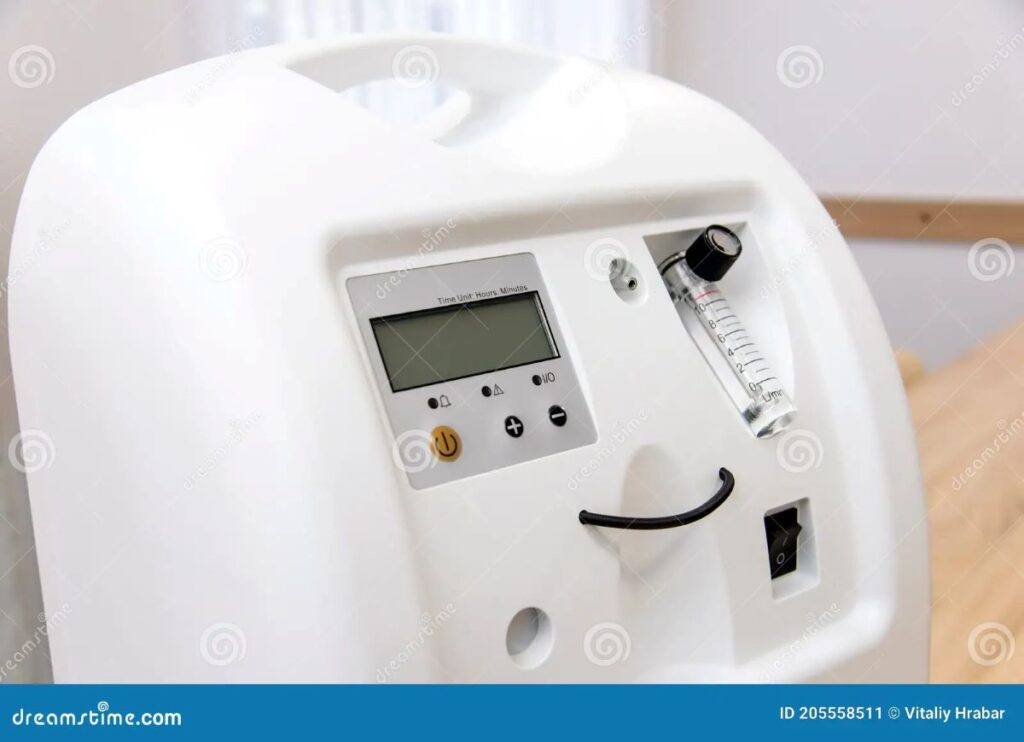
Request demonstrations or trial periods from suppliers to assess how different models feel during actual use. Carry the device whilst walking, climbing stairs, or performing typical daily tasks. Check whether carrying cases fit comfortably over your shoulder, whether wheels roll smoothly on your home’s flooring, and whether controls are easy to read and operate with your dexterity level.
Calculate Your Battery Needs
Map out your longest typical day away from home charging options. If you’re out for 8 hours but the standard battery lasts only 4 hours, you’ll need at least one spare battery. Check out more about a simple checklist before you buy CPAP machines.
What Should You Keep in Mind to Maximise the Benefits of Using a Portable Oxygen Machine?
Proper Device Maintenance
Proper device maintenance forms the foundation of optimal performance. Clean or replace filters according to manufacturer guidelines—typically weekly for washable filters and monthly for disposable ones—to ensure efficient oxygen concentration and prevent device malfunction.
Battery Management Strategies
Charge your device fully before each outing and monitor battery indicators throughout the day. Invest in at least one spare battery to extend your range beyond home, particularly for activities lasting longer than your primary battery’s capacity. Many users find success by establishing a charging routine, such as plugging in the device overnight and after each use, creating a habit that prevents unexpected power depletion.
Optimising Oxygen Flow Settings
Work closely with your healthcare provider to identify the correct flow rate for different activities. Resting may require lower settings whilst walking or exercising demands higher levels. Modern portable oxygen machines often feature pulse dose technology that adjusts delivery based on breathing patterns, conserving battery life whilst meeting your needs.
Carrying Essentials Checklist
- Power adaptor and charging cables
- Spare battery (fully charged)
- Nasal cannula replacements
- User manual or quick reference guide
- Healthcare provider’s contact information
- Device prescription documentation for travel
Understanding Your Device’s Capabilities
Familiarise yourself with all controls, alarms, and indicator lights during calm moments at home. Practice adjusting settings, responding to low battery warnings, and troubleshooting common issues before relying on the device in unfamiliar environments. This preparation builds confidence and reduces anxiety during outings.
Protecting Your Investment
Use a padded carrying case to shield the device from impacts, moisture, and extreme temperatures. Avoid placing portable oxygen machines in direct sunlight or freezing conditions, as temperature extremes can damage internal components and reduce battery efficiency. Store the unit in a well-ventilated area when not in use.
Monitoring Your Symptoms
Track how you feel at different oxygen settings and during various activities. Keep a simple log noting breathlessness levels, energy, and sleep quality. Share these observations with your respiratory specialist during check-ups to fine-tune your oxygen prescription and ensure maximising benefits from your therapy.
Scheduling Regular Professional Check-Ups
Is It Time to Embrace Portable Oxygen Independence?
Portable oxygen independence represents a significant shift from the limitations of traditional oxygen therapy. If you’re experiencing breathlessness, fatigue, or restricted mobility due to respiratory conditions, a portable oxygen machine could transform your daily experience.
The decision to embrace this technology depends on your unique circumstances. Consider whether you’ve been avoiding social activities, postponing travel plans, or feeling anxious about leaving home due to oxygen requirements. These signs often indicate that portable oxygen independence might enhance your quality of life.
Is a Portable Oxygen Machine Right for Your Lifestyle?
The answer lies in honest self-assessment. Evaluate your current limitations:
- Do you struggle with the weight and bulk of traditional oxygen tanks?
- Have you declined invitations because of oxygen therapy constraints?
- Would you benefit from maintaining an active lifestyle whilst managing your condition?
- Do you desire the freedom to travel without complicated logistics?
Your healthcare provider remains your most valuable resource in this decision. They can assess your specific oxygen requirements, evaluate whether your flow rate needs match portable concentrator capabilities, and determine if your respiratory condition is stable enough for this technology.
Schedule a comprehensive consultation where you discuss:
- Your current oxygen prescription and flow rate requirements
- Daily activity levels and mobility goals
- Travel aspirations and lifestyle preferences
- Budget considerations and insurance coverage options
Many respiratory specialists offer trial periods with portable oxygen machines. This hands-on experience allows you to test different models, understand operational requirements, and assess how the device integrates into your routine before committing to a purchase or long-term rental.
The path to portable oxygen independence isn’t one-size-fits-all. Some individuals thrive with continuous flow models, whilst others prefer pulse dose systems. Your medical team can guide you towards the most appropriate technology based on your physiological needs and lifestyle aspirations.
Taking the first step towards exploring portable oxygen options demonstrates proactive management of your respiratory health. This decision shouldn’t be made in isolation or based solely on marketing claims. Professional medical guidance ensures you select a device that genuinely supports your health outcomes whilst aligning with your lifestyle goals.
FAQs (Frequently Asked Questions)
Can portable oxygen machines improve my quality of life?
Yes, portable oxygen machines can significantly enhance the quality of life for individuals with respiratory conditions by providing greater mobility and independence, allowing users to engage more fully in daily activities.
How do portable oxygen machines work?
Portable oxygen machines operate by filtering ambient air to concentrate oxygen, then delivering this enriched oxygen to the user through a nasal cannula or mask, supporting better respiratory function.
What are the benefits of using a portable oxygen machine?
Using a portable oxygen machine can lead to increased energy levels, improved sleep quality, and enhanced overall well-being, helping individuals manage their respiratory health more effectively.
Are there any limitations to consider when choosing a portable oxygen machine?
Potential limitations include flow rate restrictions and battery life constraints, which may affect how long and how effectively the device can be used throughout the day.
How can I ensure that a portable oxygen machine is suitable for my lifestyle?
Assess your daily activities, mobility needs, and consult with healthcare professionals to determine if a portable oxygen machine aligns with your lifestyle and health requirements.
What should I keep in mind to maximise the benefits of using a portable oxygen machine?
To maximise benefits, follow prescribed usage guidelines, maintain your device regularly, manage battery charging efficiently, and stay in close communication with your healthcare provider for ongoing support.